Analyzing Connections Between Transaction Speeds and Changes in Betting Behaviors Within Licensed Online Casinos
Written by Casey Krüger · Nov 13, 2026
Analyzing Connections Between Transaction Speeds and Changes in Betting Behaviors Within Licensed Online Casinos
Payment Processing Basics in Regulated Markets
Regulated online casinos handle transactions through verified gateways that comply with standards set by bodies such as the Nevada Gaming Control Board and the Alcohol and Gaming Commission of Ontario, while payment times range from instant e-wallet transfers to multi-day bank withdrawals depending on method and jurisdiction. Data from industry monitoring shows that average credit card processing spans 1 to 3 business days in North American markets as of late 2026, whereas cryptocurrency options often complete in under an hour at platforms licensed in multiple regions.
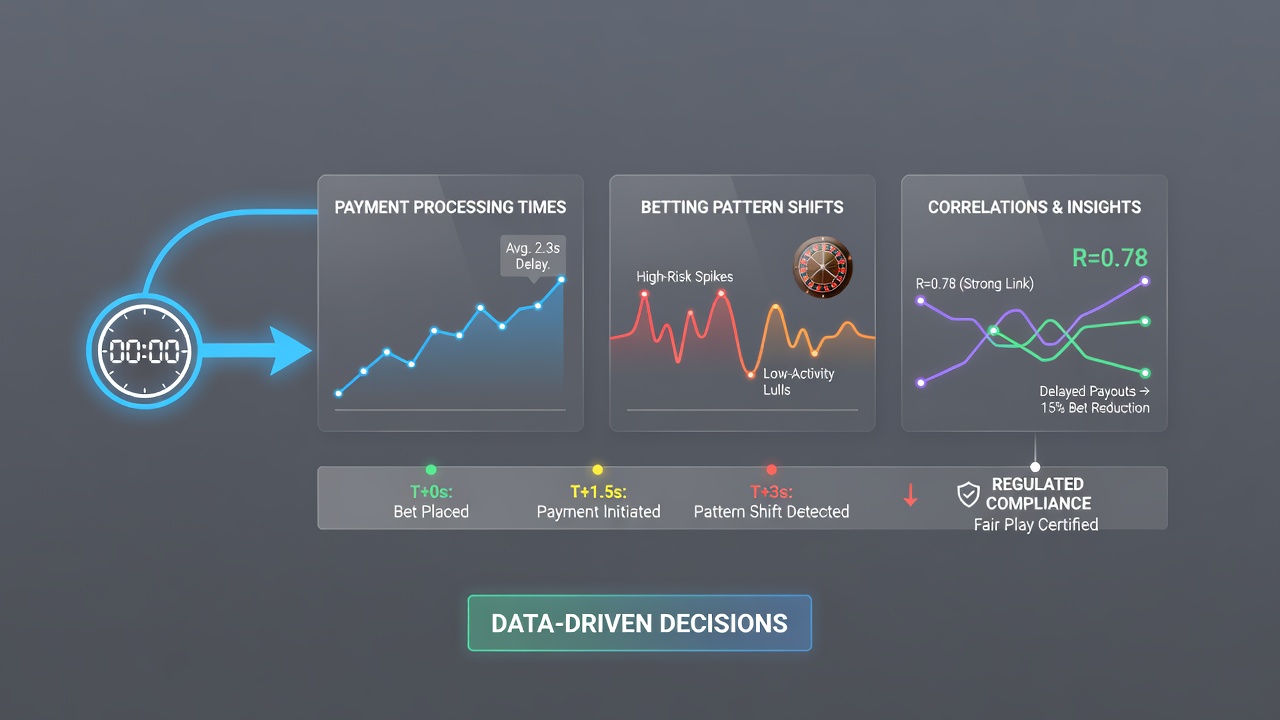
Observers note that these timelines create measurable effects on how players adjust their wagers and session lengths, since delays in fund access correlate with reduced repeat deposits in several tracked datasets. Studies from research institutions indicate slower processing aligns with drops in high-frequency betting patterns, particularly among users who rely on quick reloads for table games and slots.
Observed Shifts in Player Activity Patterns
Figures from aggregated platform analytics reveal that when withdrawal times exceed 48 hours, many players decrease bet sizes by 15 to 25 percent in subsequent sessions, according to reports covering operations through November 2026. This adjustment appears across European and Australian licensed sites where regulatory filings track deposit frequency alongside payout durations.
Those who monitor user behavior find that instant payout methods, such as certain digital wallets, associate with sustained or increased activity levels, while traditional wire transfers link to temporary pauses in play. One dataset compiled by academic researchers highlighted how players in Canadian provinces shifted toward lower-volatility games during periods of extended processing, suggesting a risk-mitigation response tied directly to cash flow timing.

Data Sources and Regional Comparisons
Information compiled by the American Gaming Association points to stronger correlations in markets with strict licensing, where platforms must report both transaction metrics and player engagement figures. In contrast, Australian oversight through AUSTRAC documents show similar trends but with faster overall adaptation when e-wallet penetration reaches higher percentages among users.
Research papers from European university groups have examined logs from multi-jurisdictional operators and found that a one-day increase in average processing time corresponds to a 12 percent reduction in total bets placed within the following week. These patterns hold steady across demographics yet vary by game type, with live dealer formats displaying more resilience than automated slots during slower payout windows.
Factors Influencing the Observed Correlations
Regulatory requirements around identity verification add layers that extend processing in some cases, and analysts connect these mandatory steps to temporary dips in betting volume as users await cleared funds. Payment providers that integrate real-time settlement options demonstrate steadier player retention rates in comparative reviews released during 2026.
Platform operators report that promotional bonuses tied to deposit speed can offset some negative shifts, although the core relationship between transaction duration and activity remains consistent in longitudinal data. External economic conditions, including currency fluctuations tracked through November 2026, further modulate these effects in cross-border operations.
Conclusion
Available records demonstrate clear associations between payment processing durations and subsequent adjustments in betting frequency and size across regulated online casino environments. Continued monitoring by industry groups and regulatory agencies will track how evolving payment technologies influence these dynamics in coming periods.