Shadow Markets in Online Wagering Reveal Trillion-Dollar Scale as Digital Platforms Evade Controls Across Continents
Written by Theo Lange · Oct 2, 2026
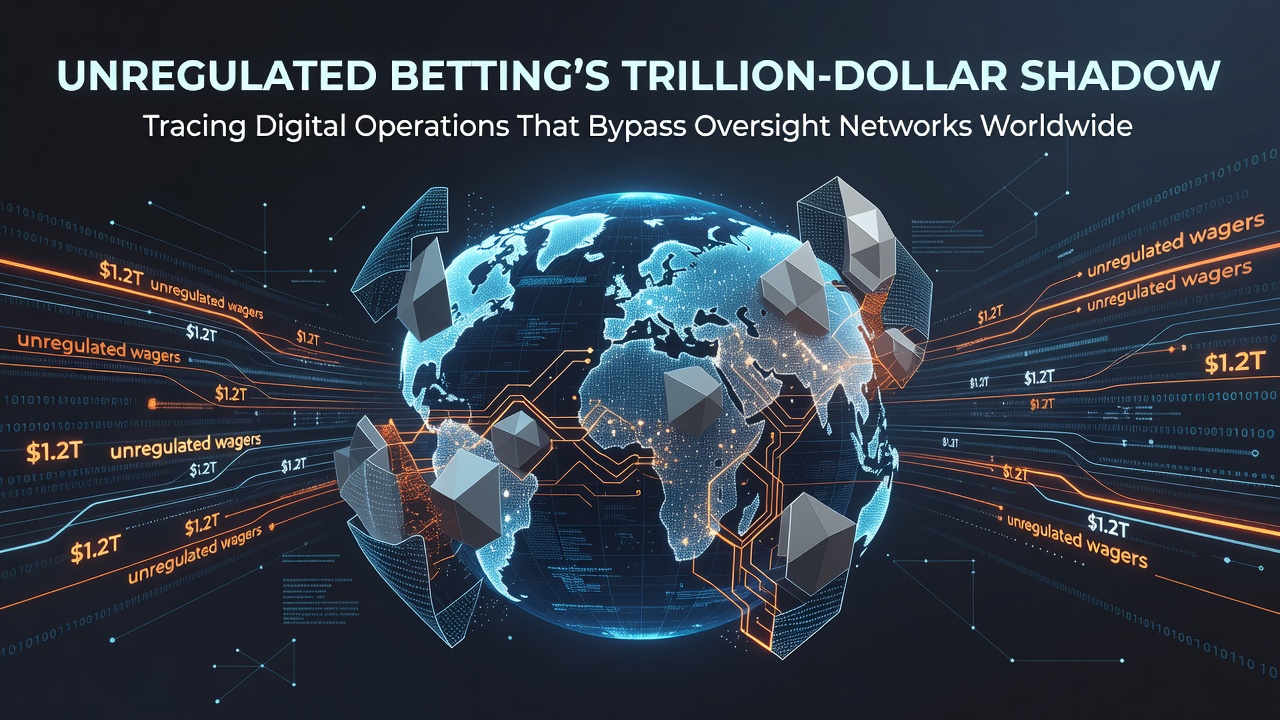
Shadow Markets in Online Wagering Reveal Trillion-Dollar Scale as Digital Platforms Evade Controls Across Continents
Digital wagering operations that function outside established licensing frameworks now account for substantial portions of global gambling activity according to aggregated industry estimates released in 2026. These platforms often utilize offshore servers, cryptocurrency transactions, and decentralized payment systems to conduct business in jurisdictions where oversight remains limited or absent.
Market analysts tracking transaction volumes through blockchain ledgers and payment processor data note that annual figures for such unregulated channels reached multiple trillions when converted to USD equivalents. The growth accelerated after 2023 as mobile access expanded in regions with emerging internet infrastructure yet inconsistent regulatory enforcement.
Regional Patterns in Unlicensed Operations
Operators based in Southeast Asia and Eastern Europe frequently serve users across multiple continents by routing traffic through virtual private networks and proxy services. Data compiled by the Australian Institute of Criminology shows that cryptocurrency deposits constituted over 40 percent of activity on many such sites by mid-2026 while traditional banking channels declined in parallel. Similar patterns appear in Latin American markets where local licensing lags behind demand for instant-play formats.
European authorities including those in the Netherlands and Malta have documented cross-border flows that bypass national monopolies through mirror domains updated weekly. These methods allow continuous access even after blocking orders take effect at the ISP level.
October 2026 brought new reporting requirements in several Canadian provinces that aim to quantify the portion of player spending migrating to offshore alternatives. Early figures indicate that approximately 28 percent of total online wagering volume may occur outside provincial frameworks based on device fingerprinting studies conducted by independent research groups.
Technology Enabling Scale and Evasion
Provably fair algorithms combined with instant settlement on distributed ledgers reduce the need for centralized operators to maintain physical presence in regulated markets. This architecture supports rapid scaling without the compliance overhead associated with licensed entities. Observers note that affiliate marketing networks promote these platforms aggressively on social channels where traditional advertising restrictions do not apply.
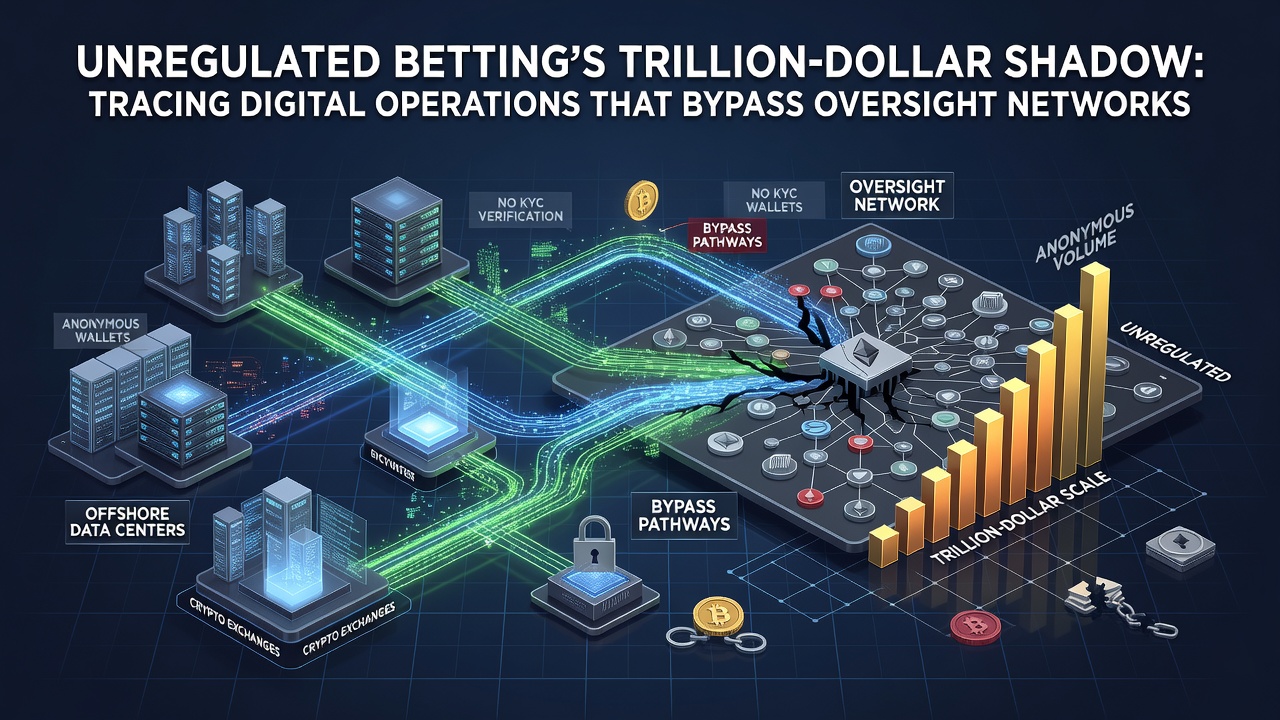
Payment processors specializing in privacy coins and mixers handle the majority of inflows according to transaction analysis published by Chainalysis. The same reports indicate that withdrawal speeds often exceed those available through regulated operators because fewer verification layers intervene between player and payout.
Economic Footprint and Data Collection Challenges
Quantifying exact volumes remains difficult because many servers rotate jurisdictions quarterly to minimize exposure. Researchers at the University of Nevada Reno Gaming Research Center compiled satellite and domain registration data to estimate server clusters concentrated in particular Caribbean and Pacific island nations. Their models suggest the true economic impact may exceed surface-level transaction counts when secondary effects on local economies are included.
Industry associations such as the World Lottery Association have called for improved international data sharing to distinguish between licensed cross-border play and fully unlicensed activity. Current gaps in reporting mean that enforcement resources often focus on the largest visible operators while smaller networks continue without interruption.
Future Monitoring Approaches
Governments in Australia and Singapore have begun piloting AI-driven monitoring of advertising spend on unregulated sites to map operator networks more accurately. These initiatives rely on public-private partnerships that share anonymized traffic patterns without compromising user privacy standards. Early results from the pilots show promise in identifying repeat offenders across multiple domains.
Conclusion
Tracing the full extent of unregulated digital betting requires coordinated efforts across technology, finance, and law enforcement sectors. Available data through late 2026 already indicates a footprint measured in trillions when aggregated globally. Continued refinement of tracking methods will determine how accurately future estimates reflect the true distribution of activity beyond formal oversight structures.